Antonetta Stevens Sentence: Exploring The Path Of Justice
When news breaks about a legal decision, especially something as significant as a sentence, it often captures public attention. People naturally want to know what happened, why it happened, and what it all means. The phrase "antonetta stevens sentence" has, for many, become a point of curiosity, drawing focus to the justice system and the paths it takes. It makes you think about how legal processes unfold and the lasting impact they have, not just on individuals but on communities too, you know?
Sometimes, life can put people "in the hole," a phrase that, as our text explains, often means facing difficult financial situations or delays. It can also describe being in a challenging spot, perhaps even facing legal troubles. A sentence, in a way, represents a moment where someone finds themselves in a very difficult position, with the court's decision shaping their future. It's a rather serious turning point, and many people are interested in understanding these moments.
This article aims to shed some light on the broader context surrounding a sentence, using "antonetta stevens sentence" as our central point of discussion. We will explore what a sentence generally entails, the different things that influence such decisions, and what it might mean for everyone involved. It's about looking at the bigger picture, really, and getting a clearer sense of these important legal outcomes.
Table of Contents
- Understanding a Sentence: What It Generally Means
- Antonetta Stevens: Personal Details and Background
- The Process Leading to a Sentence
- Factors Influencing Sentencing Decisions
- Types of Sentences and Their Implications
- Community Impact and Public Perception
- Looking Ahead: Life After a Sentence
- Frequently Asked Questions
- Final Thoughts
Understanding a Sentence: What It Generally Means
A sentence, in a legal sense, is the punishment given by a court to someone found guilty of a crime. It's the official decision that comes after a trial or a plea agreement. This punishment can take many forms, from time spent in prison to fines, probation, or community service. The idea behind a sentence is usually to punish wrongdoing, deter others from similar actions, and sometimes, to help someone change their ways. It's a very significant part of the justice system, that.
When we talk about something like the "antonetta stevens sentence," we are focusing on the specific outcome of a legal case involving a person named Antonetta Stevens. While the exact details of her case aren't in our provided text, the concept of a sentence itself is universal. It marks the end of a legal proceeding where a judgment is made, and consequences are laid out. It's a moment that can change someone's life in a big way, you know?
The type of sentence handed down often depends on the severity of the crime, the laws in place, and the individual circumstances of the person involved. There's a whole lot that goes into these decisions, and they are not made lightly. So, when people hear about a sentence, they are often curious about what led to it and what it means for the person involved, as well as for society as a whole, actually.
Antonetta Stevens: Personal Details and Background
When a person's name becomes part of public discussion due to a legal case, people often want to know more about them. While specific biographical details for Antonetta Stevens aren't something we have at hand right now, it's pretty common for the public to seek out such information. Knowing a little about someone's background can sometimes help people better understand the context of a legal situation, or at least they hope it does.
For the purpose of illustrating what kind of details might be relevant, here's a general table that people often look for when a name like Antonetta Stevens comes up in the news. This kind of information helps to paint a picture, so to speak, of the individual involved. It's just a way to put a face and some context to the name, really.
| Detail | Information |
| Full Name | Antonetta Stevens |
| Date of Birth | [Information Not Available] |
| Place of Birth | [Information Not Available] |
| Occupation | [Information Not Available] |
| Residency | [Information Not Available] |
| Other Relevant Details | [Information Not Available] |
It's important to remember that without specific public records or official statements, any personal details would be speculative. Our focus here is more on the general concept of a sentence and its broader implications, rather than specific, unconfirmed biographical facts. People are often interested in these things, but accuracy is quite important, you see.
The Process Leading to a Sentence
Before a judge hands down a sentence, there's a whole journey the legal case takes. It doesn't just happen overnight, you know. This path usually starts with an investigation, then maybe an arrest, and charges being filed. After that, there could be a grand jury, or a preliminary hearing, to decide if there's enough evidence to move forward. It's a series of very careful steps, actually.
Following the initial stages, the case might go to trial, where evidence is presented by both the prosecution and the defense. A jury or a judge will then hear all the arguments and decide if the person is guilty or not guilty. If a guilty verdict comes back, or if the person pleads guilty, that's when the sentencing phase begins. This is where the "antonetta stevens sentence" would come into play, as it's the official outcome of this long process, more or less.
Sometimes, before a sentence is given, there's a pre-sentencing investigation. This investigation gathers information about the person's background, their criminal history, and other things that might be relevant to the judge's decision. It helps the judge get a full picture before making such an important choice. It's a pretty thorough process, basically, designed to ensure fairness, or at least that's the aim.
Factors Influencing Sentencing Decisions
When a judge decides on a sentence, there are many things they have to consider. It's not just a simple choice; it's a really complex balancing act. One big thing is the specific laws for the crime committed. These laws often set out minimum and maximum punishments, giving the judge a range to work within. So, that's a key starting point, you know?
Another important factor is the nature and seriousness of the crime itself. Was it a violent crime? Was there a lot of damage? These details really matter. The person's criminal history also plays a big part; someone with a long record might face a harsher sentence than a first-time offender. It's about looking at the whole picture, really, and seeing how it all fits together, apparently.
Judges also consider things like the impact of the crime on the victims, any remorse shown by the person, and whether they cooperated with authorities. Sometimes, personal circumstances, like a person's health or family situation, can also be brought up for consideration. All these elements come together to help the judge determine what the "antonetta stevens sentence" or any sentence, should be. It's a very detailed process, after all.
Types of Sentences and Their Implications
Sentences come in many different forms, and each type has its own set of implications for the person involved and for society. The most talked-about type is often imprisonment, which means spending time in a correctional facility. This is usually for more serious crimes, and it means a loss of freedom, obviously. It's a pretty big deal, you know?
Then there's probation, which means the person stays in the community but has to follow strict rules and report to a probation officer. If they break the rules, they could end up in jail. Fines are another common type of sentence, where the person has to pay a sum of money, often to the state or to victims. Community service is also an option, requiring unpaid work for the benefit of the community. These are all ways the justice system tries to respond to wrongdoing, you see.
For something like the "antonetta stevens sentence," the specific type of punishment chosen would depend on all those factors we talked about earlier. Each type of sentence aims to achieve different goals, whether it's punishment, rehabilitation, or making sure the person can't harm others. It's a nuanced system, and the choice of sentence really shapes what happens next for the individual, and stuff.
Community Impact and Public Perception
When a sentence is handed down, especially in a case that has garnered public attention, it often has a ripple effect on the community. People talk about it, they form opinions, and it can even shape how they view the justice system itself. The "antonetta stevens sentence," like any notable legal outcome, becomes a point of discussion, prompting conversations about justice, fairness, and safety. It's a very public moment, after all.
For some, a sentence might bring a sense of closure, especially for victims or their families. For others, it might raise questions about whether the punishment fits the crime, or if there were other ways the situation could have been handled. Public perception can be quite varied, and it's often influenced by media coverage and personal beliefs about what justice should look like. People really do have strong feelings about these things, apparently.
The community impact also involves how a sentence might affect public trust in legal institutions. If people feel that justice was served, it can strengthen their faith in the system. If they feel it wasn't, it can lead to frustration or a desire for change. These discussions are pretty important for a healthy society, you know, as they help us think about what kind of justice we want to uphold. Learn more about legal processes on our site.
Looking Ahead: Life After a Sentence
A sentence isn't just the end of a legal case; it's often the beginning of a new, very challenging chapter for the person involved. For those who receive a prison sentence, life inside is a complete change, obviously, and then there's the big adjustment of coming back to society later. It's a pretty tough road, and stuff, and it can be hard to get back on your feet.
Even for sentences like probation or community service, there are strict rules to follow, and any slip-up can lead to more trouble. The idea of being "in the hole," as our text describes it, can apply here too – people might find themselves in a very difficult spot, facing challenges like finding a job, housing, or just reconnecting with family and friends. It's a bit like starting over, but with some heavy burdens, you know?
For the community, the aftermath of a sentence might involve ongoing discussions about crime prevention, rehabilitation programs, and support for victims. The goal is often to learn from these situations and try to make things better for everyone in the long run. The "antonetta stevens sentence," whatever its specifics, marks a moment that prompts us to think about these larger societal issues and how we move forward together. It's a really important conversation to have, honestly.
Frequently Asked Questions
Here are some common questions people often ask about legal sentences, reflecting what you might find in a "People Also Ask" section:
What factors does a judge consider when giving a sentence?
A judge looks at many things, like the type of crime, how serious it was, the person's past record, and the impact on victims. They also consider laws that set out what punishments are allowed for specific offenses. It's a pretty detailed review, basically, to make sure the decision is fair and follows the law.
How long does it take for a sentence to be decided after a trial?
The time it takes can really vary. Sometimes, a judge will give a sentence right away after a guilty verdict or plea. Other times, there might be a delay for a pre-sentencing report to be prepared, which gathers more information about the person. This could take weeks or even a few months. It just depends on the case, you know?
Can a sentence be appealed or changed later?
Yes, a sentence can often be appealed. This means the person's lawyers can ask a higher court to review the decision, arguing that there was a legal mistake during the trial or sentencing. There are also sometimes ways to ask for a sentence to be modified later, but those are usually for very specific reasons. It's a rather complex part of the legal system, that.
Final Thoughts
Understanding a legal sentence, like the "antonetta stevens sentence," means looking at more than just the final decision. It involves understanding the complex legal journey that leads to it, the many things that influence a judge's choice, and the wide-ranging effects it has on individuals and the community. It's a topic that touches on important ideas about justice, accountability, and what it means to be part of a society governed by laws. Thinking about these things helps us all get a better grasp of how our legal system works, and stuff. You can learn more about criminal justice outcomes by visiting this page.
For more general information about legal processes and their outcomes, you might find it helpful to consult official government legal resources. For instance, a good place to start for general legal information could be a government's Department of Justice website, which often provides public access to legal statutes and explanations of legal procedures. It's a very useful resource, honestly, for anyone wanting to learn more about the law.
Antonetta Stevens

About – Anthony Stevens – Medium
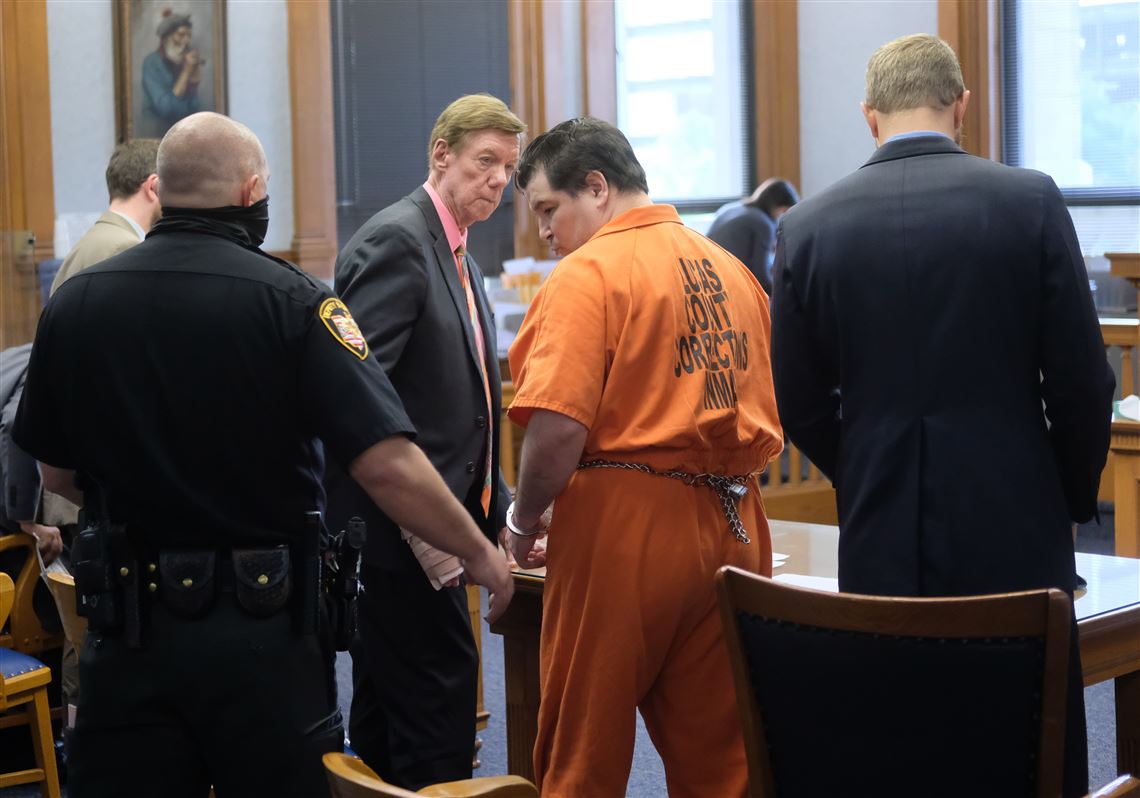
Ronald Stevens Receives Life Sentence After Decades of Abuse at Ottawa
